
I/US Music® · Project information · UK TM No. UK00004243563
I/US Music®Registered UK umbrella brand
Founder and project lead
Peter Far
SCL Society of Composers & Lyricists · Member · User ID 18126
MU 1079822
Project information

Collaboration Call

A selective credited collaboration project for original music developed for recorded release, live performance, and visual media opportunities. This page is intended as a practical reference for musicians, venues, partners, and future funding or licensing conversations.

Overview

Project overview

The project brings together cinematic, atmospheric, and expressive original music through a selective credited collaboration model. I/US is the solo creative identity. I/US Music® is the registered UK umbrella brand for current and future works.

Cinematic, atmospheric, and artistically driven

The material sits broadly across cinematic, atmospheric, progressive, and expressive original music. Texture, mood, phrasing, and dynamic judgement matter more here than complexity for its own sake.

Collaborative, credited, and selective

This is a credited collaboration rather than a standard session engagement. Core music and lyrics are already in development, while arrangements and final forms remain open enough for serious interpretation and meaningful contribution.

Built for more than one outcome

The project is being developed for recorded release, live performance, funding opportunities, and visual media use. The aim is to build something artistically coherent and professionally usable across more than one practical outcome.

Project structure

Project structure

The full explanation of naming, project format, and collaboration logic sits here so it does not need to be repeated elsewhere on the page.

Brand and naming

I/US, I/US Music®, and public naming

I/US is the solo creative identity. I/US Music® is the registered UK umbrella brand used to develop, manage, and release current and future work.

How this is presented

  • I/US remains the core artistic identity.
  • I/US Music® provides the wider brand and release framework.
  • Some collaborative activity may eventually appear under a different public-facing project or band name where that serves the material better.

Why this matters

  • The naming can evolve without changing the underlying brand structure.
  • The trade mark reference remains UK00004243563.
  • This keeps administration, rights handling, and public presentation clearer as the project grows.

Collaboration model

Selective, credited, and artistically engaged

This is not framed as an open-ended jam setup or default session work. It is a credited collaboration built around serious interpretation, musical fit, and shared artistic judgement.

What is already in place

  • Core music and lyrics are already in development.
  • The overall direction is established, but arrangements and final forms remain open enough for real contribution.
  • People are approached selectively rather than through a general call for interchangeable parts.

What collaborators can expect

  • A project with defined artistic intent rather than loose experimentation for its own sake.
  • Space for interpretation, arrangement input, and role-specific contribution where the fit is strong.
  • Clearer discussions around expectations once mutual interest is established.
Project formats

Built to develop in more than one format

The project is intentionally flexible. Depending on the material, the people involved, and the practical context, development may move across more than one working format.

Possible working formats

  • A core live lineup for rehearsed performance and public presentation.
  • Smaller collaborative configurations for selected material or practical settings.
  • Selective remote or studio-only contributions where that makes artistic and logistical sense.

Longer-term logic

  • Different formats do not mean different projects with unrelated aims.
  • They are part of one development path under the I/US Music® umbrella.
  • Future public-facing variations can emerge without losing the core artistic identity.
Workflow and rehearsal

In-house development with flexible rehearsal and recording pathways

Writing, production, and development are managed in-house, while ensemble rehearsal and selected recording stages can move into professional studio or rehearsal settings as needed.

Typical workflow

  • Initial material and direction are prepared before collaborators step in.
  • Rehearsal is used to test chemistry, arrangement choices, and live viability.
  • Recording and production decisions are shaped by the role and stage of development.

Remote and in-person balance

  • Remote contribution can be accommodated where it suits the role and workflow.
  • Some stages still benefit from in-person rehearsal, ensemble testing, or studio work.
  • The practical format is chosen for the music rather than applied as a rigid rule.
Rights and release

Rights, credit, and release framework

Credit, usage, release handling, and practical expectations are clarified at the appropriate stage so collaborators understand how their role fits within the wider project.

What is clarified

  • Role-specific contribution and credit expectations.
  • How usage, release planning, and public presentation will be handled.
  • Any practical boundaries that matter before work develops further.

Why the framework matters

  • It supports professional development rather than informal ambiguity.
  • It helps avoid mixed assumptions around contribution and release.
  • It creates a clearer basis for trust, continuity, and future opportunities.
Roles and fit

Roles and artistic alignment

Formal background is welcome, but creativity, interpretive judgement, reliability, and artistic sensitivity matter more than résumé alone.

Vocal performance image

Vocal collaborators

Interest is strongest in vocalists who can work with phrasing, atmosphere, emotional range, and interpretation. Presence, judgement, and responsiveness matter as much as pure vocal ability.

Atmosphere · Lyric delivery · Interpretation

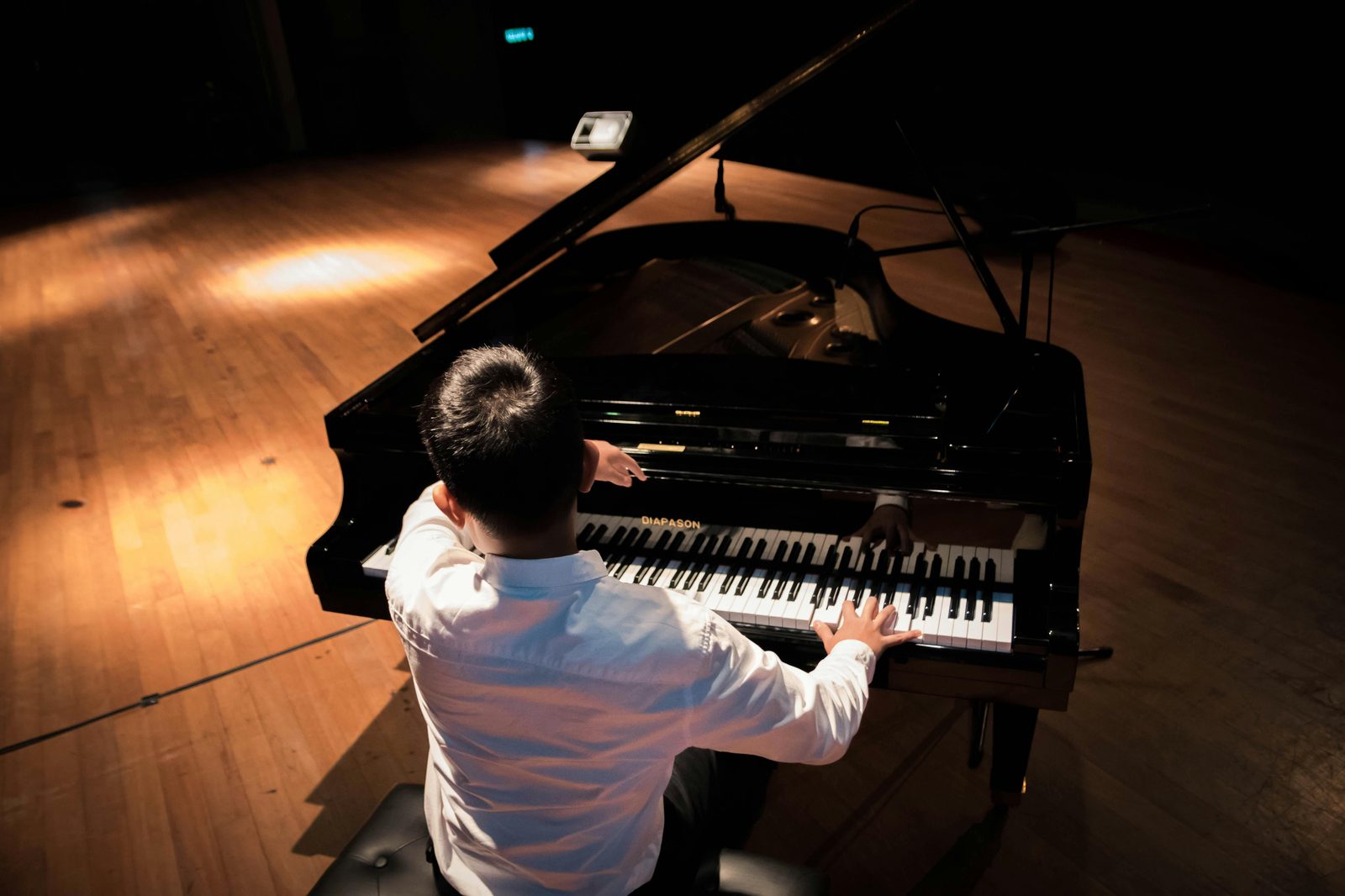
Piano and keyboard performance image

Piano and keyboard players

Players who can move between piano and keys where needed are especially valuable. Harmonic judgement, touch, arrangement sense, and tonal awareness matter more than ornament for its own sake.

Piano · Keyboards · Harmonic space

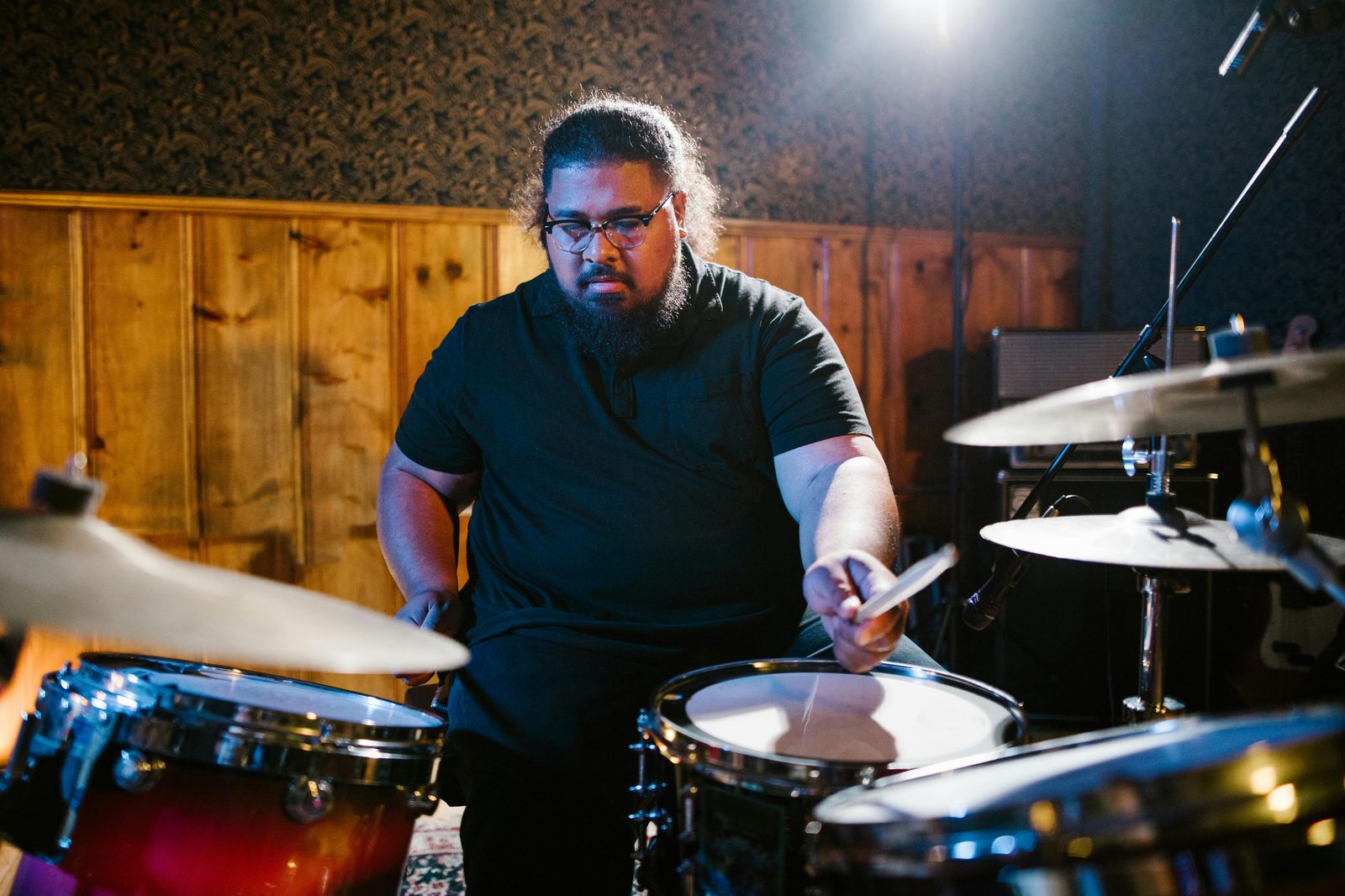
Drums and percussion performance image

Drums and percussion

The project values drummers and percussionists who can serve structure, dynamics, atmosphere, and cinematic percussive colour while still handling stronger rock or progressive passages where the material requires it.

Dynamics · Percussion colour · Studio awareness

Guitar performance image

Guitar collaborators

Interest includes players who understand tone, layering, supportive arrangement, and dynamic control. Parts may range from textural and understated to heavier and more driving, depending on the song.

Texture · Tone · Dynamic control

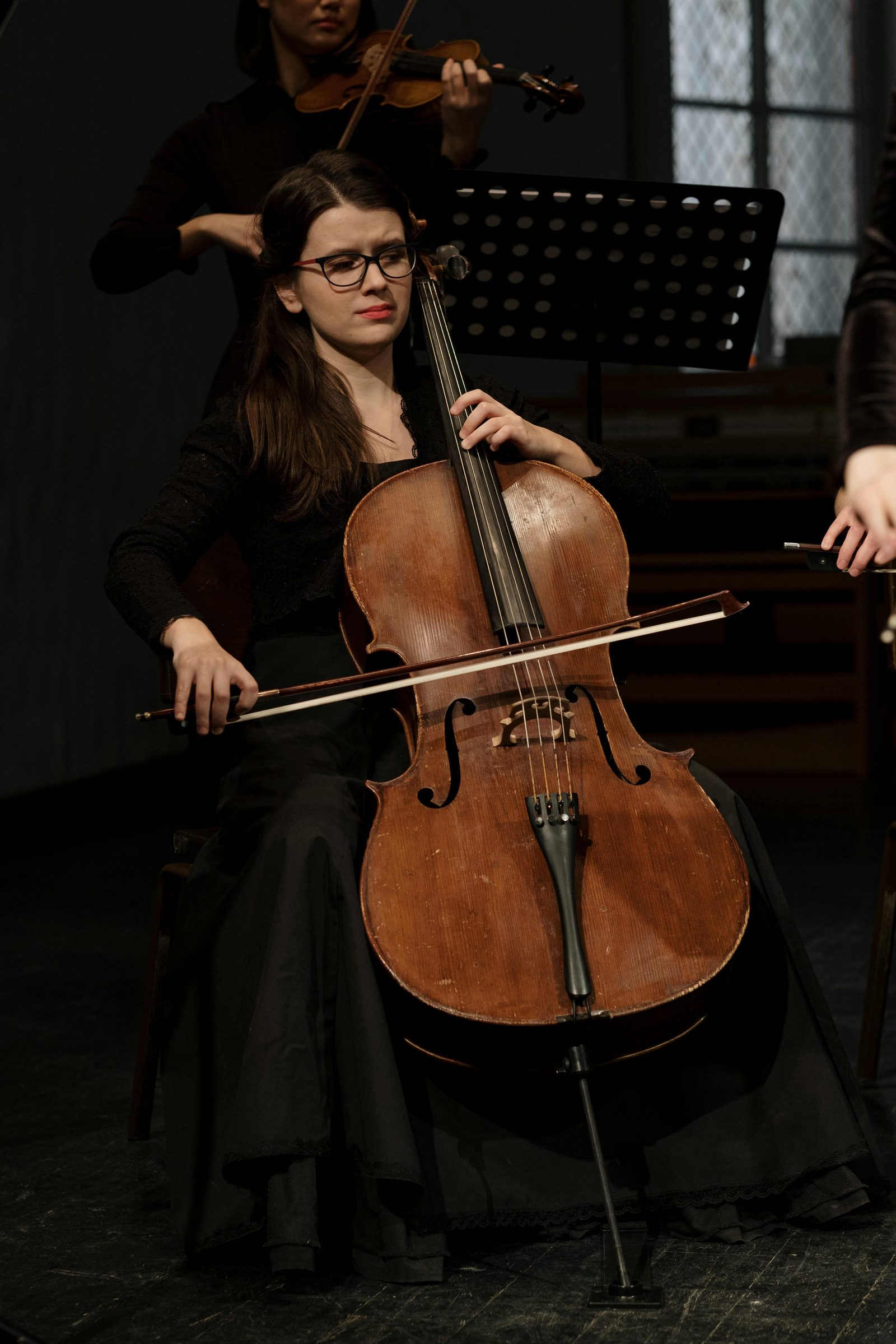
Strings and cello performance image

Strings, especially cello

String collaborators can bring cinematic scale, emotional gravity, and tonal depth. Cello is of particular interest, though broader string input may also be highly relevant where the artistic connection is strong.

Cello · Cinematic weight · Organic movement

Specialist instrument performance image

Other aligned instruments

Musicians working with less common cinematic colours are also welcome to get in touch. This can include woodwinds and low winds such as clarinet, bass clarinet, oboe, cor anglais, duduk, or other distinctive instrumental voices that could support the wider artistic direction.

Woodwinds · Low winds · Specialist colour

Audition and onboarding

Audition and onboarding process

The preferred model is a room-based session in a proper rehearsal or studio environment. Short video calls, one-to-one meetings, or remote pre-screening are used only where access, distance, scheduling, or practical constraints make them the more appropriate route.

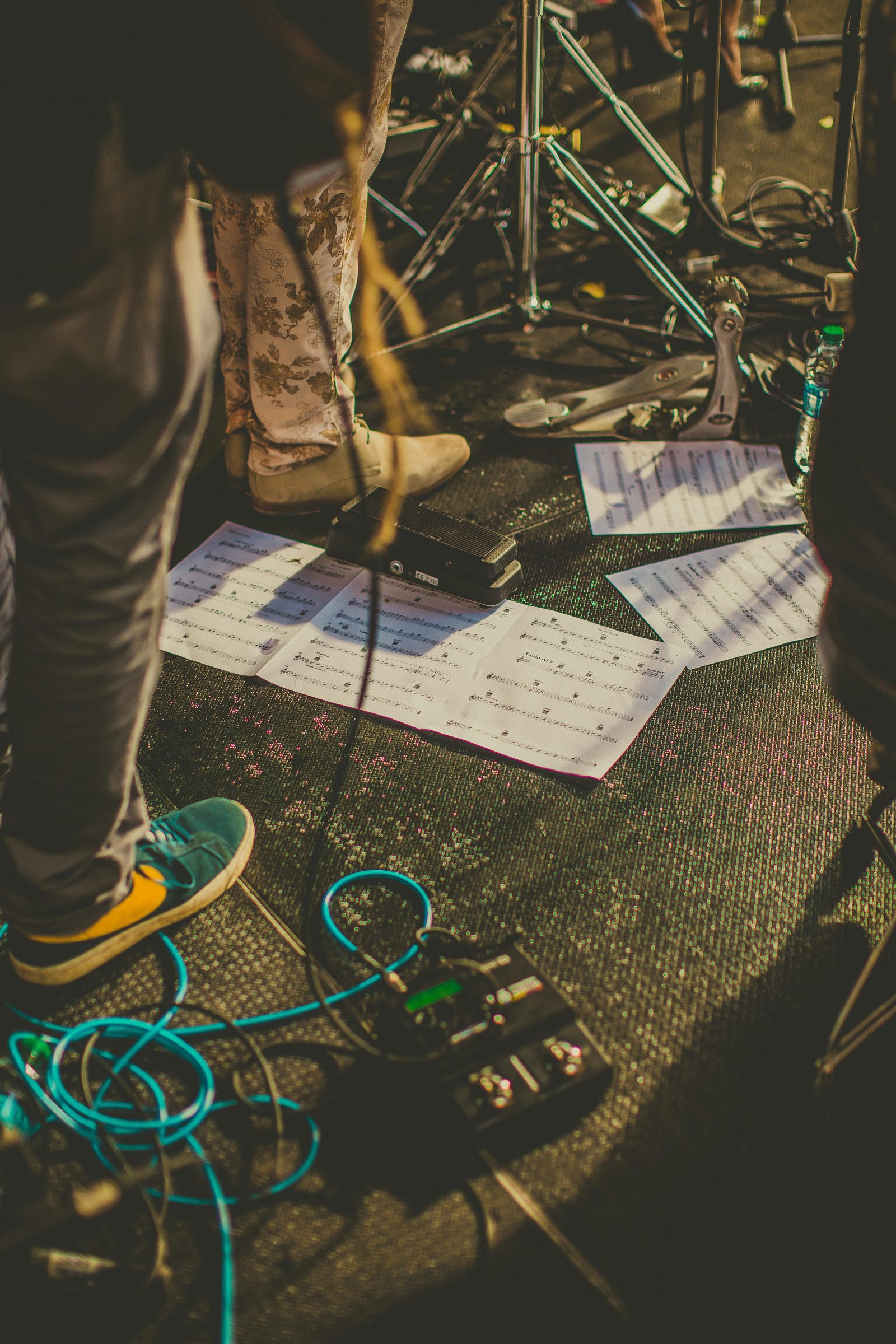
Audition and rehearsal development image
Preferred working model

Rehearsal-room sessions first

The most useful audition is usually not an isolated conversation. It is a properly prepared session where musical judgement, communication, ensemble awareness, adaptability, and reliability can all be assessed under real working conditions.

Primary formatFull rehearsal-room or studio-based sessions, ideally with enough space to test arrangement ideas, dynamics, stage communication, and practical setup.
Secondary formatA short call, remote conversation, or one-to-one meeting can still be used when access needs, timing, geography, or preparation stage make that more sensible.
Why this mattersIt gives a clearer sense of live chemistry, interpretive instincts, commitment, and future potential than a generic informal meeting.
01

Initial enquiry

A concise introduction should include role, location, links to relevant work, current availability, and whether live, studio, remote, or mixed contribution is of interest.

02

Shared materials and prep

Selected people may receive demos, notes, or references in advance so that the session tests musical judgement and preparation rather than surprise alone.

03

Room-based session

The default preference is a proper rehearsal-room or studio session, with full-lineup testing where practical, rather than a default video call format.

04

Chemistry and next-stage testing

Where appropriate, different combinations of people may be tested across the material to evaluate communication, role fit, and which format serves the project best.

05

Onboarding

Once mutual fit is clear, next steps can move into rehearsal scheduling, recording preparation, role clarification, live planning, or selective remote contribution.

What is being assessed

Musical fit in practice

  • Interpretive judgement, dynamics, timing, and listening.
  • Ability to respond to direction without losing individuality.
  • Preparation, reliability, punctuality, and communication.
  • How well the person fits a room, not just a résumé.
What helps candidates

What to prepare

  • Relevant performance or recording links rather than an overlong biography.
  • Any practical notes on travel, timing, access, or equipment needs.
  • Clear indication of whether live, studio, remote, or mixed work is realistic.
  • Questions about schedule, expectations, credits, or future formats are welcome.
Selected external references

Useful models, spaces, and professional guidance

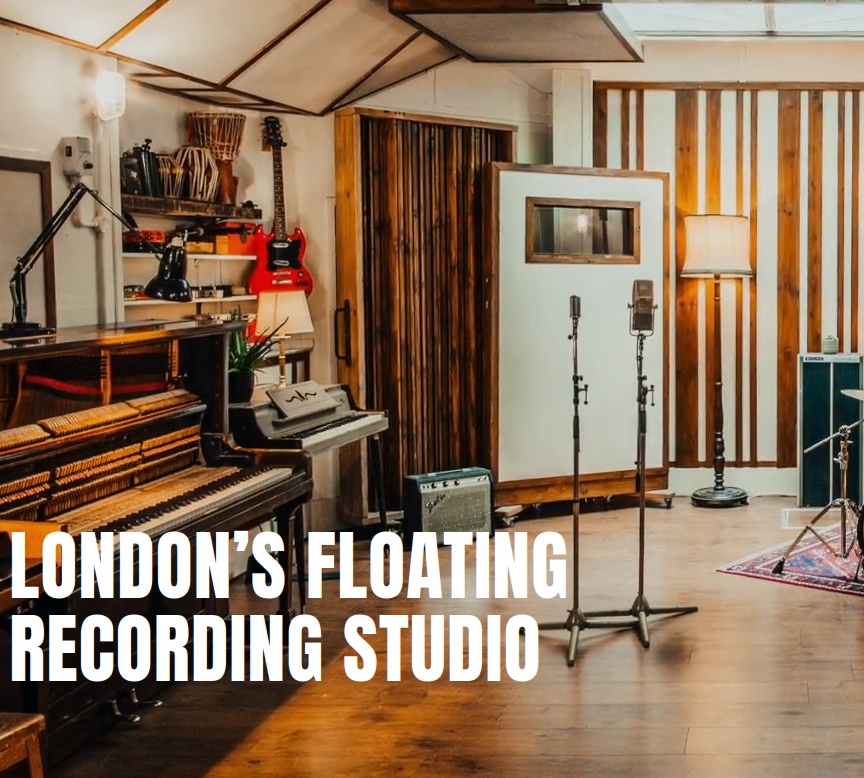
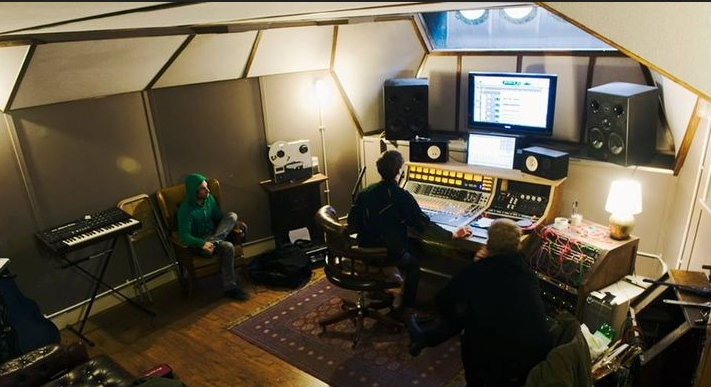
These are included to show the sort of rehearsal, live-session, and professional-development environment this project is aiming toward, and to make the process more concrete than a generic “contact first” page.

Reference spaces such as Lightship 95 are included here as examples of the kind of professional rehearsal or live-session environment this project may use or aspire toward. They are not presented as exclusive or guaranteed venues for every stage of the process.
Development and opportunities

Development and opportunities

Future development

Where the project is intended to go

The wider route includes release strategy, selective live development, funding applications where appropriate, and licensing opportunities for film, series, games, and related visual media. The structure is designed so that these opportunities can be pursued with coherence rather than added later as an afterthought.

Future opportunities

Future opportunities and career pathways

This section is for people whose interest may extend beyond taking part as a performer alone. The project is founder-led and still selective, but serious long-term, entrepreneurial, and development-focused conversations are welcome.

Career pathways

Ways this may develop beyond a single artist role

For some collaborators, the most meaningful long-term relationship may not stop at one performance or one recording contribution. Depending on fit, experience, and the stage of development, future involvement could extend into arrangement support, live development, rehearsal leadership, release planning, project operations, visual or media preparation, curated events, or other practical forms of artistic partnership.

Creative growth

Professional development within the project

Selective collaborators may gain opportunities to build credits, develop new live or recorded formats, contribute to evolving repertoire, and become part of a more sustained artistic structure rather than a one-off call.

Wider collaboration

Strategic or entrepreneurial involvement

The project may also benefit from people whose strengths sit in curation, creative production, events, partnerships, sponsorship, business development, release strategy, or new opportunities connected to music, visual work, and public presentation.

Founder-level enquiries

Direct contact for serious opportunities

A broader public recruitment campaign has not yet been formally published. However, people who are interested in collaboration at a wider level than contributing solely as an artist are welcome to make direct contact. This may include entrepreneurs, organisers, advisors, partners, producers, investors, creative strategists, or people with credible suggestions and opportunities relevant to the project’s next stage.

Direct email infoiusmusic@gmail.com

Suitable for entrepreneurial, developmental, partnership, or opportunity-led enquiries connected to the wider future of the project.

Contact and access

Contact and access

Project details

Email
iusmusics@gmail.com
Website
iusmusic.com
Discography
Identifiers
ISNI 0000 0005 2827 1416 · UK Trade Mark No. UK00004243563

Anyone with access requirements or a need for reasonable adjustments is encouraged to mention this in advance. Every reasonable effort will be made to accommodate meetings, auditions, rehearsal planning, and communication in a professional and respectful manner.